Longevity Starts with Lifestyle: Why the Basics Still Matter Most
By Blane Mire MD / Integrative Internist & Longevity Medicine Specialist
We often associate longevity with cutting-edge interventions—peptides, genetic testing, cold plunges, and red light therapy. But the truth is, none of these matter if the basics are missing. The most powerful longevity tools are often free—and already within your reach.
🧠 The Shift from Lifespan to Healthspan
Modern medicine has succeeded in extending lifespan, but not necessarily healthspan—the number of years we live free of chronic disease and functional decline. According to the Global Burden of Disease Study, the average American spends the last 9–12 years of life in a state of disease and disability.¹
This is where lifestyle becomes medicine.
From a longevity perspective, the foundational daily habits you build around sleep, stress, nutrition, movement, relationships, and light exposure can delay biological aging and reduce your risk of chronic disease more effectively than any single medication or intervention.
🌿 Six Proven Lifestyle Pillars of Longevity
1. Sleep Hygiene
Sleep is not passive—it’s when your brain clears toxins, your immune system regenerates, and hormones recalibrate.
• Adults sleeping less than 6 hours per night had a 20% higher risk of all-cause mortality.²
• Deep sleep is tied to longevity-promoting processes like glymphatic clearance and cellular autophagy.³
✅ Aim for 7–9 hours of quality sleep with a consistent rhythm.
2. Nutrition for Inflammation and Metabolic Health
Nutrition is not just about weight—it’s about cellular signaling.
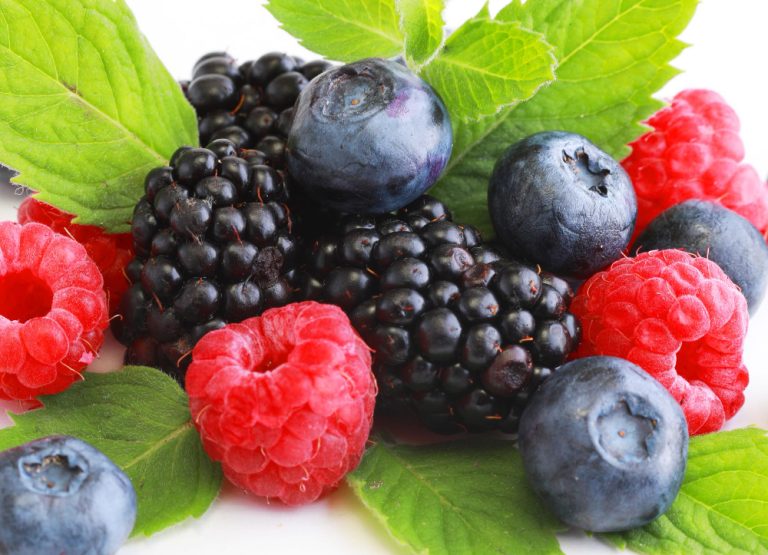
• Diets rich in plant polyphenols, omega-3s, and low-glycemic whole foods are associated with reduced inflammation and longer telomere length.⁴
• The Mediterranean diet, high in olive oil, fish, and vegetables, has been shown to reduce cardiovascular risk and improve cognitive aging.⁵
✅ Build meals around colorful produce, healthy fats, and protein from clean sources.
3. Daily Movement & VO2 Max
Your VO2 max—how well your body uses oxygen—is one of the strongest predictors of lifespan.
• Low cardiorespiratory fitness is associated with **a higher risk of death than smoking, diabetes, or heart disease.**⁶
• Regular moderate-to-vigorous activity improves insulin sensitivity, endothelial function, and mitochondrial health.⁷
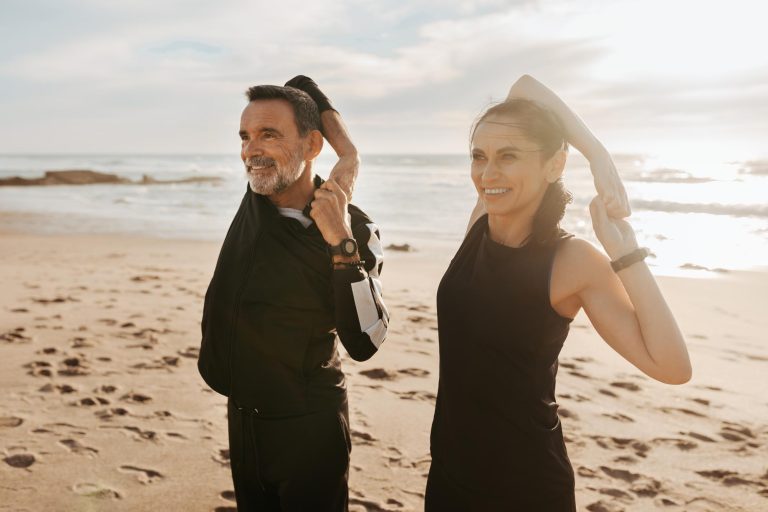
✅ Include a mix of resistance training, walking, zone 2 cardio, and occasional high-intensity sessions.
4. Sunlight and Circadian Rhythm
Light exposure isn’t just about vitamin D—it programs your biology.
• Morning sunlight helps regulate cortisol rhythms and boosts serotonin, which converts to melatonin for sleep.⁸
• Circadian disruption is linked to accelerated aging, metabolic dysfunction, and increased cancer risk.⁹
✅ Get 10–15 minutes of unfiltered sunlight in the morning—ideally barefoot in nature.
5. Social Connection, Faith, and Purpose
Blue Zones—regions with the highest density of centenarians—share a common theme: deep relationships, community, and meaning.
• Social isolation is as strong a risk factor for mortality as **smoking 15 cigarettes a day.**¹⁰
• A strong sense of purpose is associated with **lower rates of dementia, heart disease, and early death.**¹¹
✅ Invest in your relationships and spend time with people who restore your spirit.
6. Stress Regulation and Nervous System Health
Chronic stress increases cortisol, impairs sleep, disrupts immunity, and accelerates biological aging.
• High perceived stress is associated with shorter telomere length and reduced longevity.¹²
• Practices like breathwork, meditation, and prayer activate the parasympathetic nervous system and reduce systemic inflammation.¹³
✅ Incorporate daily rituals to calm your nervous system—nature walks, journaling, deep breathing, or stillness.
🧬 Landmark Study: 20 More Years Through Lifestyle Alone
If you’re wondering whether these habits are really enough to extend life significantly, here’s your proof.
A 2024 study published in The American Journal of Clinical Nutrition analyzed health data from over 275,000 U.S. veterans as part of the Department of Veterans Affairs Million Veteran Program. The researchers evaluated how eight key lifestyle behaviors influenced life expectancy.
The results?
Adopting these habits could add 18–24 years of life, depending on age and gender.¹⁴
The 8 Key Lifestyle Factors:
1. 🚶♂️ Regular physical activity
2. 🚭 Never smoking
3. 🥗 Nutritious, whole-food diet
4. 😴 Consistent, quality sleep
5. 💧 Avoiding binge drinking
6. 🧘 Effective stress management
7. ❤️ Strong social connection
8. 💊 Avoiding opioid use
This isn’t longevity theory—it’s hard clinical data.
Lifestyle is not optional. It’s foundational.
🔄 A Summer Reflection: Reset What Matters
On a recent family vacation, I was reminded that longevity isn’t just about labs and wearables—it’s about presence.
☀️ Waking with the sun
🍽️ Sharing unhurried meals
❤️ Reconnecting with loved ones
🙏 Realigning with purpose and faith
Summer gives us the perfect opportunity to return to the basics—the daily practices that make a cellular, emotional, and spiritual difference.
Use this season to restore the habits that create health from the inside out.
🧭 Start With Balance. Then Build With Science.
In our longevity programs, we specialize in personalized longevity protocols—grounded in proven lifestyle strategies and enhanced with cutting-edge tools like:
• Epigenetic and advanced biomarker testing
• Nutrient and mitochondrial optimization
• Science backed supplements and peptides
• Regenerative medicine and personalized health plans
But we start where it matters most: with you, your life, and your foundations.
Live well. Live long. Start with what matters.
Let’s Redefine Aging Together!
📚 References
1. GBD 2019 Diseases and Injuries Collaborators. Lancet. 2020.
2. Cappuccio FP, et al. Sleep. 2010;33(5):585–592.
3. Xie L, et al. Science. 2013;342(6156):373–377.
4. Boccardi V, et al. Rejuvenation Res. 2013;16(2):143–152.
5. Estruch R, et al. N Engl J Med. 2013;368:1279–1290.
6. Blair SN, et al. JAMA. 1989;262(17):2395–2401.
7. Booth FW, et al. Compr Physiol. 2012;2(2):1143–1211.
8. Wright KP, et al. Curr Biol. 2013;23(16):1554–1558.
9. Fonken LK, et al. Proc Natl Acad Sci U S A. 2010;107(37):16520–16525.
10. Holt-Lunstad J, et al. PLoS Med. 2010;7(7):e1000316.
11. Hill PL, et al. Psychol Sci. 2014;25(7):1482–1486.
12. Epel ES, et al. PNAS. 2004;101(49):17312–17315.
13. Bhasin MK, et al. PLoS One. 2013;8(5):e62817.
14. Wang L, Wang Y, Zhao X, et al. Adherence to healthy lifestyle and life expectancy in US veterans. Am J Clin Nutr. 2024 Jan;119(1):65–74.